ASTM A53 vs ASTM A106 Steel Pipes: Key Differences & Engineering Selection Guide
ASTM A53 vs ASTM A106 Steel Pipes: Key Differences & Engineering Selection Guide
When engineering piping networks for oil refineries, chemical processing plants, thermal power stations, or general industrial utilities, determining whether to specify ASTM A53 or ASTM A106 is a fundamental technical decision. While both standards cover nominal pipe sizes (NPS 1/8" to NPS 48") and share comparable tensile and yield strength in Grade B, confusing their applications can cause catastrophic in-service failures or inflate procurement budgets.
Understanding the metallurgical, manufacturing, and operational differences between these two workhorse carbon steel specifications ensures structural integrity, code compliance, and cost optimization for your project.
1. Core Manufacturing Processes: Seamless vs. Welded Flexibility
The foremost distinction between ASTM A106 and ASTM A53 begins on the mill floor with how the pipes are formed and joined:
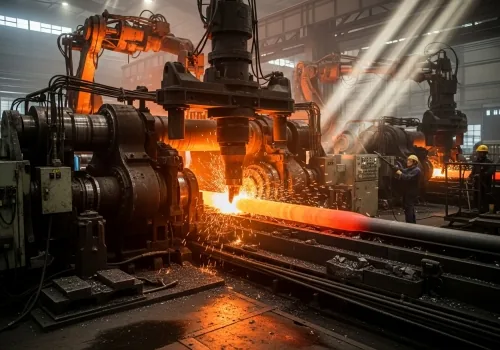
ASTM A106 (Seamless Only): A106 pipes are strictly manufactured without any longitudinal or helical weld seam. They are produced by piercing solid cylindrical steel billets at forging temperatures followed by hot-rolling or cold-drawing. A106 is produced exclusively from fully killed steel (deoxidized steel), ensuring uniform metallurgical consistency and isotropic strength across 360 degrees of the pipe wall.
ASTM A53 (Welded & Seamless Options): ASTM A53 provides versatility by offering three distinct manufacturing classifications:
Type F (Furnace-Butt Welded / Continuous Welded): The most economical variant, suited primarily for basic plumbing, non-critical low-pressure conduit, and mechanical framing (Grade A only).
Type E (Electric Resistance Welded - ERW): Formed from flat steel coil and joined by longitudinal high-frequency induction/resistance welding without filler metal. Widely utilized in HVAC, firefighting, and structural frameworks.
Type S (Seamless): Manufactured similarly to A106 without weld seams, providing higher pressure containment than Type E or F.
2. Chemical Composition: The Crucial Silicon Factor
The hidden metallurgical boundary between A53 and A106 lies in their chemical requirements, specifically Silicon (Si) content:
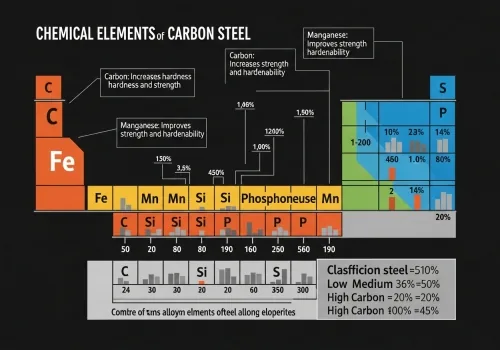
ASTM A106 Grade B mandates a minimum Silicon content of 0.10% (typically 0.10% to 0.40%). Silicon serves as a potent deoxidizing agent and dramatically enhances the steel's resistance to creep and graphitization under sustained operating temperatures exceeding 350°C (662°F) to 425°C (800°F). Without sufficient silicon, carbon steel pipes exposed to prolonged thermal stress can experience microstructural degradation and wall thinning.
Conversely, ASTM A53 does not specify a minimum silicon requirement because it is intended for ambient, low-temperature, or moderate-temperature service. ASTM A53 also permits slightly higher allowable limits for phosphorus and sulfur.
| Chemical Property / Element | ASTM A106 Grade B | ASTM A53 Grade B |
|---|---|---|
| Carbon (C) max | 0.30% | 0.30% |
| Manganese (Mn) | 0.29% – 1.06% | 1.20% max |
| Phosphorus (P) max | 0.035% | 0.050% |
| Sulfur (S) max | 0.035% | 0.045% |
| Silicon (Si) | 0.10% Min | Not Specified |
| Tensile Strength min | 60,000 psi (415 MPa) | 60,000 psi (415 MPa) |
| Yield Strength min | 35,000 psi (240 MPa) | 35,000 psi (240 MPa) |
3. Application Scenarios & Engineering Selection
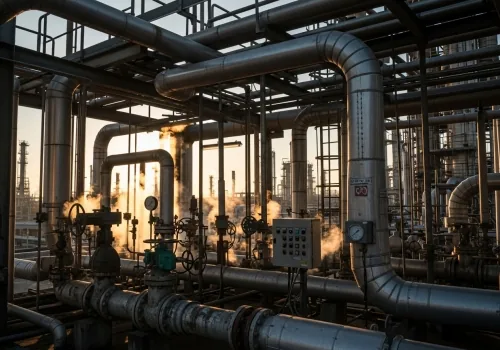
Selecting the optimal standard depends on three operational parameters: operating temperature, internal pressure, and corrosion protection requirements:
| Project Application | Recommended Pipe Standard | Engineering Justification |
|---|---|---|
| Superheated Steam & Boiler Tubes | ASTM A106 Grade B/C | Seamless structure with minimum Si content prevents high-temperature oxidation and thermal fatigue. |
| Refinery Process Lines & Hydrocarbons | ASTM A106 Seamless | High pressure containment with zero risk of seam failure or weld heat-affected zone (HAZ) stress corrosion. |
| Municipal Water & Fire Sprinkler Systems | ASTM A53 Type E / Galvanized | Cost-effective ERW pipe with hot-dip zinc coating (A53) offers long-term atmospheric and aqueous corrosion protection. |
| Building Columns & Truss Frameworks | ASTM A53 Type E / Type F | Excellent structural load-bearing capacity with up to 25–35% cost savings compared to seamless pipe. |
| Chilled Water & Compressed Air Lines | ASTM A53 Type E or Type S | Standard pressure service at moderate temperatures without need for high-temperature silicon alloy control. |
4. The Strategic Value of Dual-Certified Steel Pipe
In global piping supply chains, many EPC contractors and stocking distributors request Dual-Certified ASTM A106 Grade B / ASTM A53 Grade B Type S steel pipe. When a seamless pipe satisfies both the strict chemical deoxidation and silicon minimums of A106 alongside the hydrotesting and surface requirements of A53 Type S, it can be certified to both standards on a single EN 10204 3.1 Mill Test Certificate (MTC).
This dual-marking streamlines warehouse inventory management, eliminates cross-specification stocking errors, and allows EPC project managers to deploy one pipe inventory across both high-temperature processing loops and utility lines.
5. Ironex Supply Chain & Quality Assurance Standards
At Ironex, every batch of ASTM A53 and ASTM A106 steel pipes undergoes rigorous quality verification before export:
100% Non-Destructive Testing (NDT): Comprehensive in-line Eddy Current testing and Ultrasonic Flaw Detection (UT) to detect internal laminations, wall thickness variances, or weld imperfections.
Hydrostatic Pressure Testing: Tested in full accordance with ASTM A53/A106 test pressures up to 100% specified minimum yield strength (SMYS).
Full Traceability & Surface Coating: End-to-end heat number stenciling, color-coded end protectors, bare/black painted, 3LPE, or hot-dip galvanized finishes certified to international maritime export packing standards.
Whether you require heavy-wall A106 seamless boiler tubes or cost-efficient A53 ERW galvanized lines, Ironex provides direct mill pricing, certified metallurgy, and expedited international logistics.
Ironex China Quality Commitment
All steel materials are supplied with authoritative Mill Test Certificates (EN 10204 3.1 / 3.2), full ultrasonic inspection (UT), third-party SGS/BV inspection support, and specialized maritime export packaging.
Featured Steel Materials for This Subject
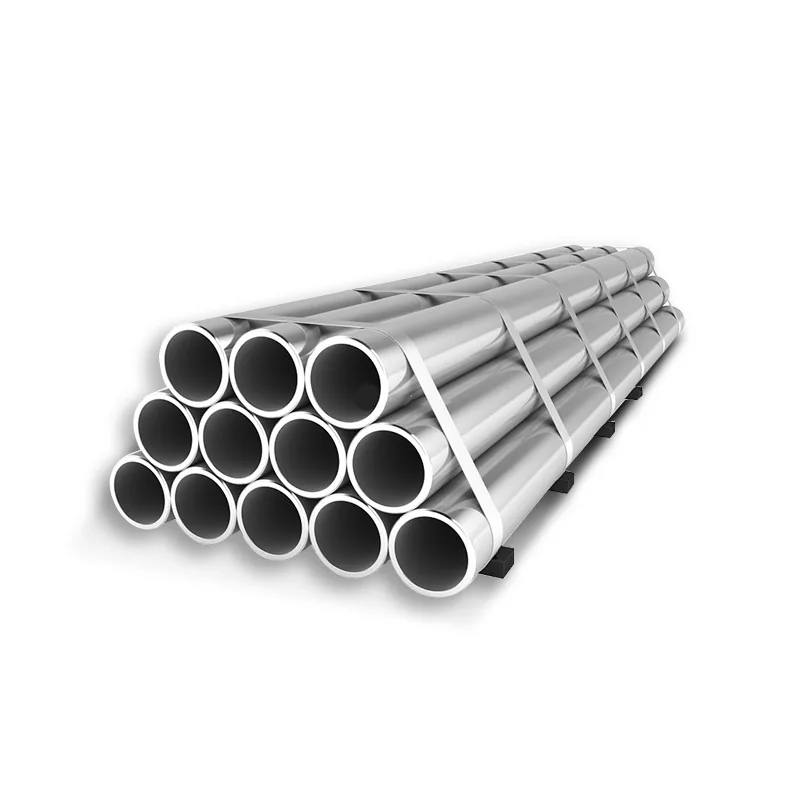
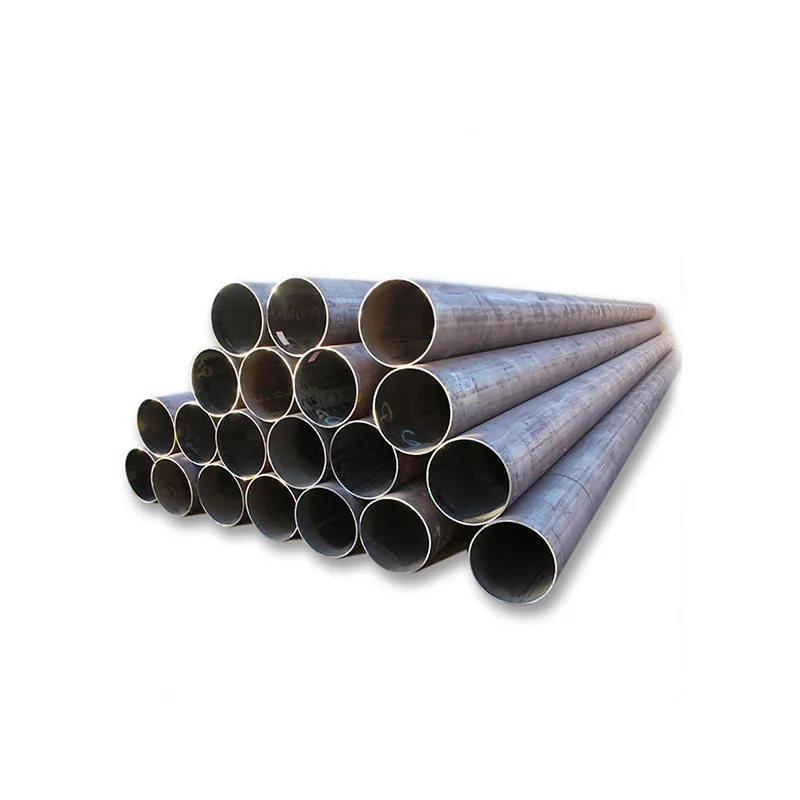
Need Exact Technical Specs or Fast Pricing?
Contact our metallurgical engineering team for custom thickness, tolerance control, and sea-freight packaging solutions.