GI vs GL Steel: Metallurgical Differences, Performance & Engineering Selection Guide
GI vs GL Steel: Metallurgical Differences, Performance & Engineering Selection Guide
In modern industrial engineering, steel building construction, and global metal trade, selecting the appropriate metallic protective coating is paramount to structural longevity and lifecycle return on investment. Galvanized Steel (GI) and Galvalume Steel (GL / Aluzinc) are the two most prominent continuous hot-dip coated carbon steel products specified worldwide.
While both materials are engineered to shield the carbon steel substrate from atmospheric rust, they utilize fundamentally different alloy chemistries and barrier mechanisms. This guide delivers an in-depth engineering comparison between GI and GL steel, exploring coating chemistry, corrosion dynamics, thermal properties, formability, and precise project-based selection criteria.
1. Core Metallic Coating Chemistry & Microstructure
The foundational difference between GI and GL steel begins in the continuous hot-dip coating pot:
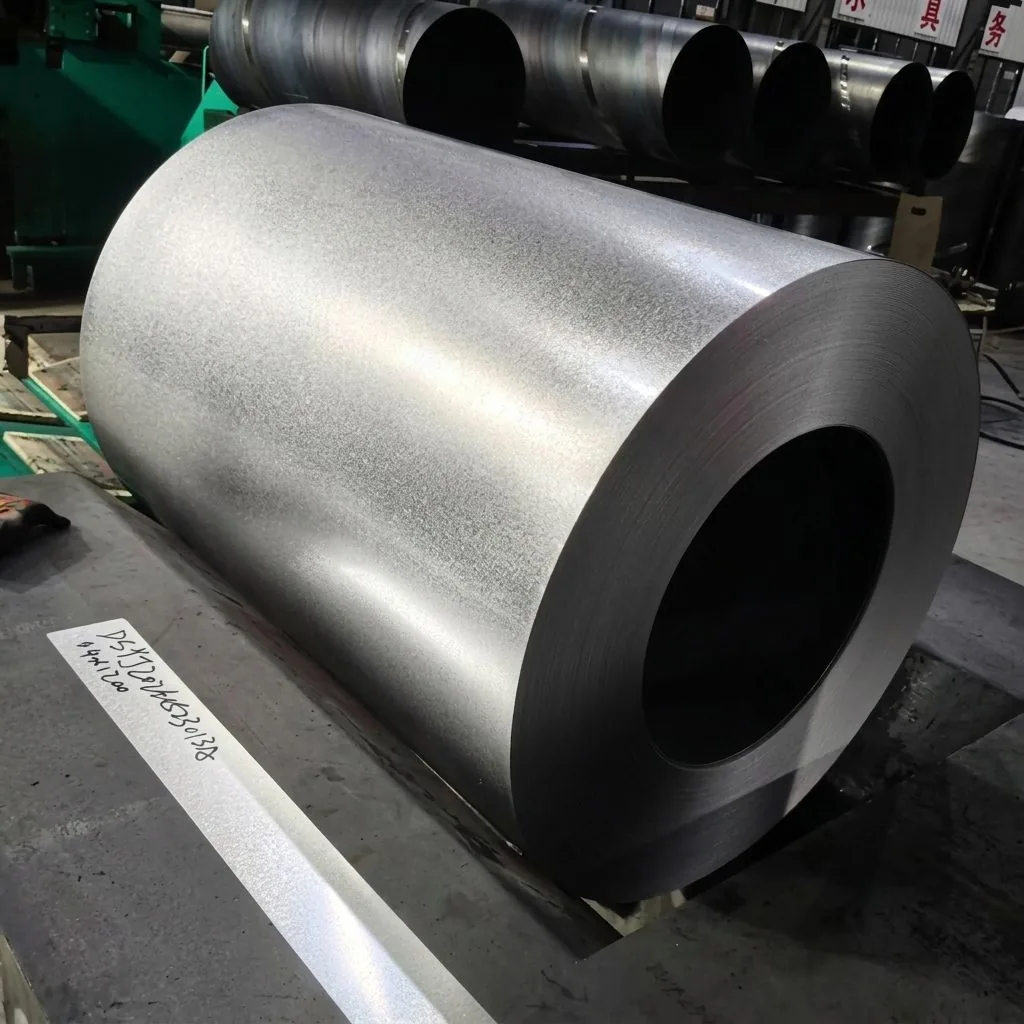
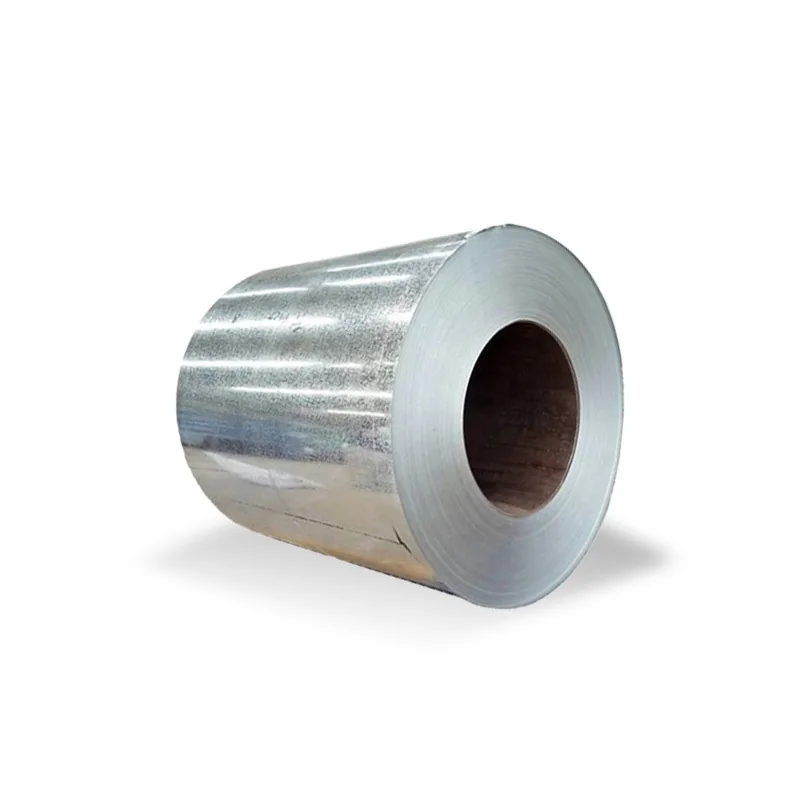
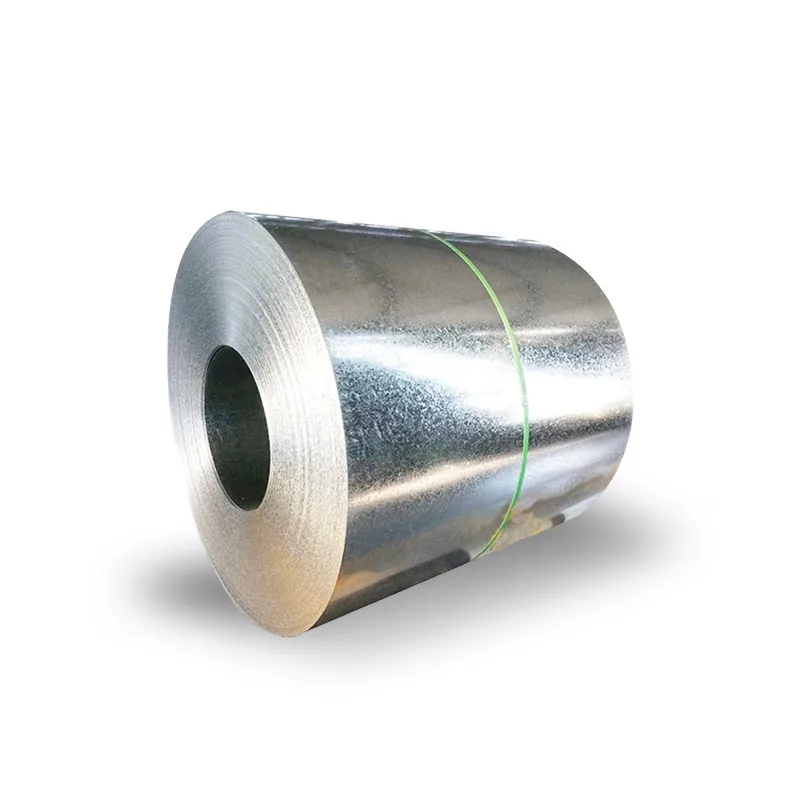
Galvanized Steel (GI): Coated in a molten bath of virtually pure zinc (≥99% Zn). Standard grades like DX51D Z150 Galvanized Coil and DX52D/SGCD1 Galvanized Coil rely on sacrificial galvanic protection. Zinc has a lower electrochemical potential than iron (-0.76V vs -0.44V), meaning the zinc layer corrodes preferentially to shield exposed base steel.
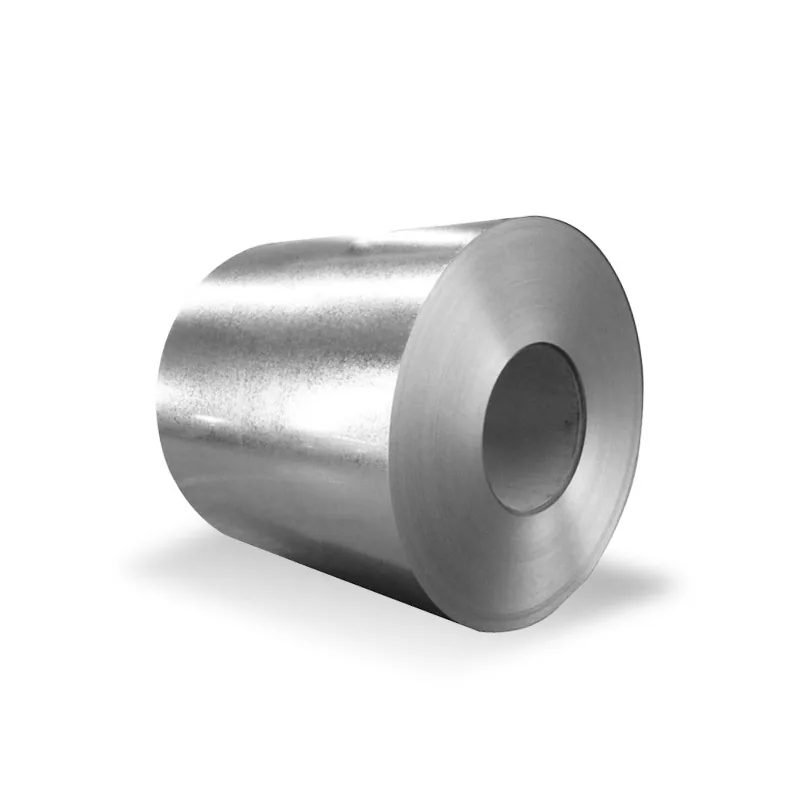
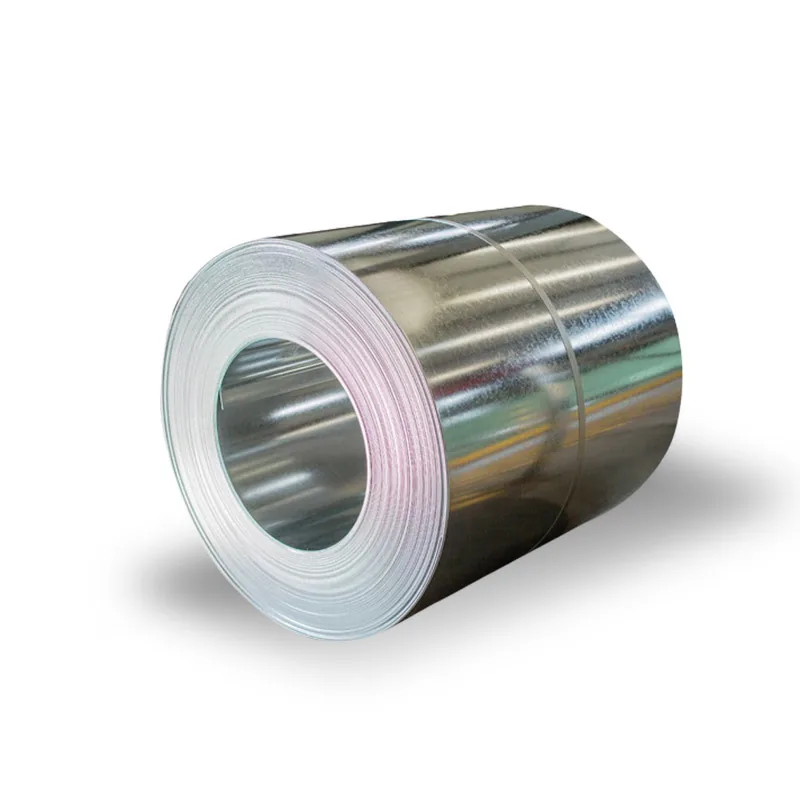
Galvalume Steel (GL / Aluzinc): Coated with an optimized ternary alloy composed of 55% Aluminum, 43.4% Zinc, and 1.6% Silicon by weight. Popular specifications such as AZ150 Galvalume Steel Coil and AZ50 Galvalume Steel Coil feature a complex dendrite microstructure: aluminum solidifies first into a microscopic barrier network, while zinc-rich pockets occupy the inter-dendritic spaces to deliver galvanic self-healing at cut edges and punctures.
| Engineering Metric | Galvanized Steel (GI) | Galvalume Steel (GL) |
|---|---|---|
| Metallic Coating Composition | ~99% Pure Zinc (Zn) | 55% Al, 43.4% Zn, 1.6% Si |
| Protection Mechanism | Pure Sacrificial Galvanic Protection | Dual: Passive Aluminum Oxide (Al₂O₃) Barrier + Zinc Galvanic Cell |
| Atmospheric Service Life | 10 – 15 Years (Inland moderate) | 25 – 40+ Years (2–6x GI in standard atmospheric exposure) |
| Continuous Heat Resistance | ~200°C – 230°C (Surface oxidation & peeling) | Up to 315°C (600°F) without discoloration |
| Solar Reflectivity Index (SRI) | Moderate (~60%) | High (~70%–75%, Cool Roof Rating Compliant) |
| Key Product Standards | DX51D+Z, DX52D+Z, ASTM A653 | AZ150, AZ50, ASTM A792, EN 10346 DX51D+AZ |
2. Technical Performance Deep-Dive
A. Atmospheric & Marine Salt Spray Corrosion
Corrosion dynamics vary widely depending on relative humidity, airborne salt particles, and pollutants:
Marine & Coastal Atmospheres: Salt-laden marine breezes aggressively attack pure zinc. Standard GI can exhibit severe white rust within 3 to 5 years. AZ150 Galvalume steel provides more than three times the salt-spray resistance of GI, with dense aluminum oxide passivation effectively halting chloride penetration.
Chemical & Extreme pH Environments: In highly acidic or alkaline conditions (such as acid-pickling workshops or intensive chemical plants), the Al₂O₃ oxide layer may dissolve faster than zinc patina. In such specific microclimates, heavy-weight galvanized steel (Z275/Z350) or specialty stainless steels offer more consistent behavior.
B. Thermal Reflection & High-Temperature Stability
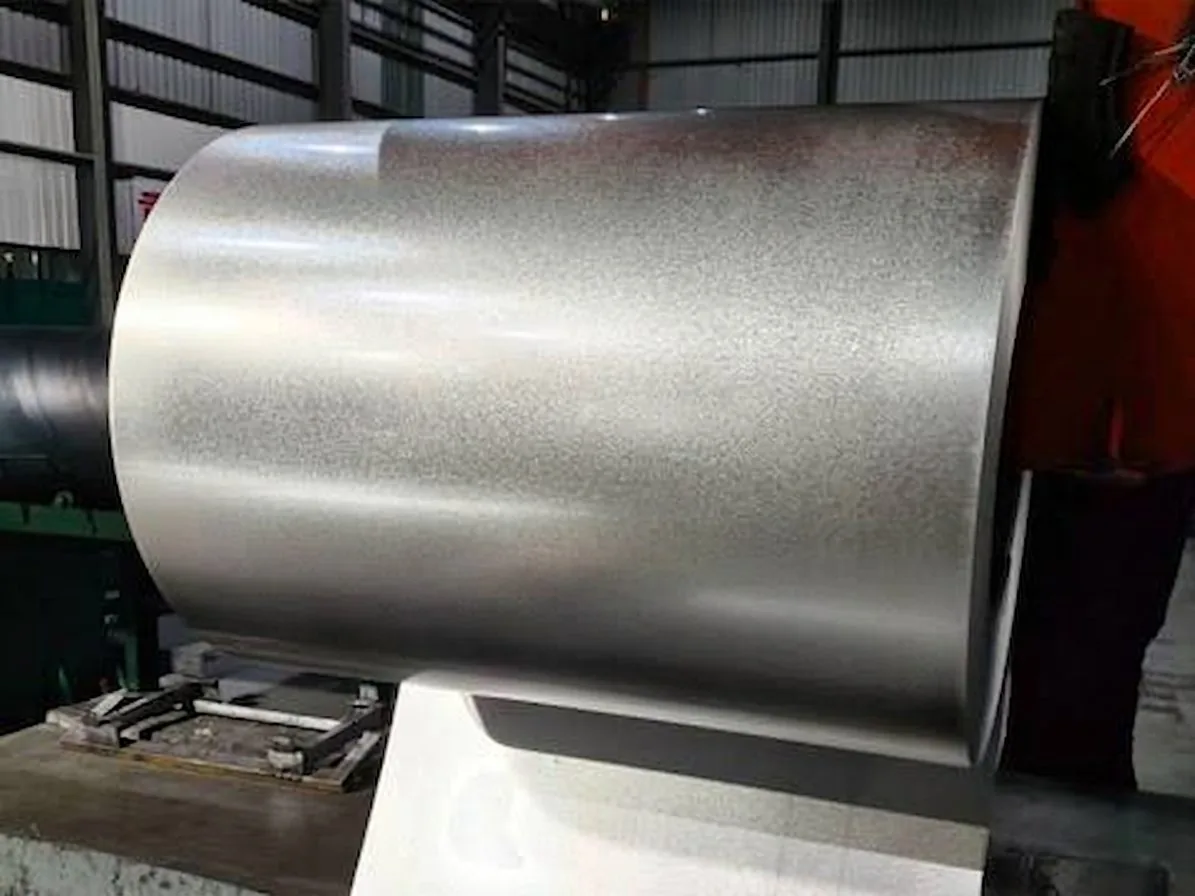
Galvalume reflects over 70% of incident solar radiation, dramatically cutting heat transfer into building envelopes across sunny tropical climates like the Middle East, South America, and Southeast Asia. Additionally, GL retains mechanical stability and aesthetic integrity up to 315°C (600°F), making it an excellent choice for hot exhaust ducts, baking ovens, and furnace components where GI rapidly discolors and flakes.
C. Cold-Forming, Ductility & Cut-Edge Behavior
When roll-forming corrugated roofing profiles, HVAC ducts, or intricate stamped bracketry:
GI Steel: Renowned for superior ductility and high fracture toughness. Soft commercial grades like DX52D/SGCD1 allow zero-T bending, tight seams, and deep drawing without micro-cracking.
GL Steel: The ternary alloy has greater hardness. Fabricators should maintain a minimum bend radius (typically 2T) to avoid micro-fissures along sharp seams. However, at sheared edges and fastener drillings, migrating zinc ions within the 55% Al-Zn matrix deliver robust self-healing cathodic defense.
3. Strategic Application Guide: Choosing the Right Coated Steel
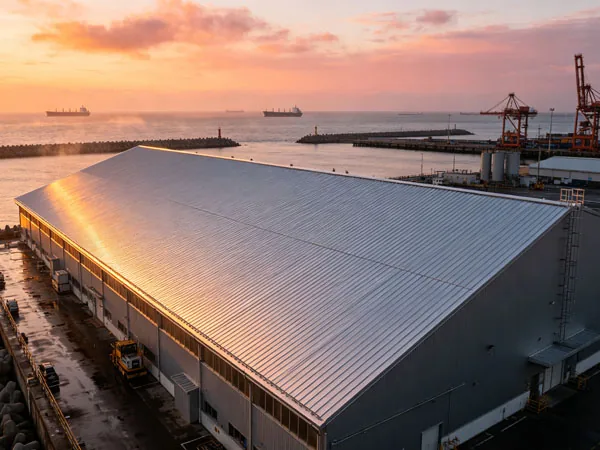
1. Coastal & Marine Projects
GL Recommended: Deploy AZ150 Galvalume Coil to resist airborne salt fog, sea spray, and intense solar exposure for 25+ years.
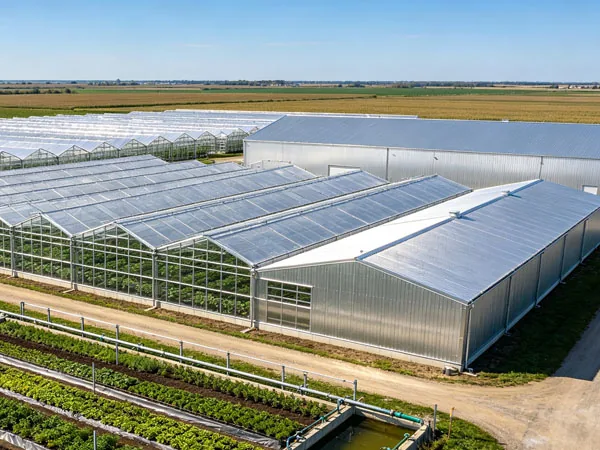
2. Livestock & Poultry Sheds
GL / ZAM Recommended: Animal manure and high ammonia fumes corrode pure zinc rapidly. GL (AZ150) ensures long-term roof durability without leaks.
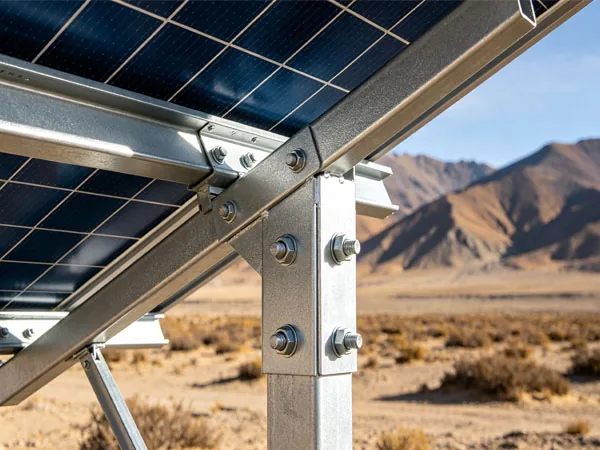
3. Solar Tracker & Mountings
GL (AZ150) Recommended: Matches 25-30 year solar panel lifecycles, ensuring cut edges around bolt holes remain protected against rust creep.
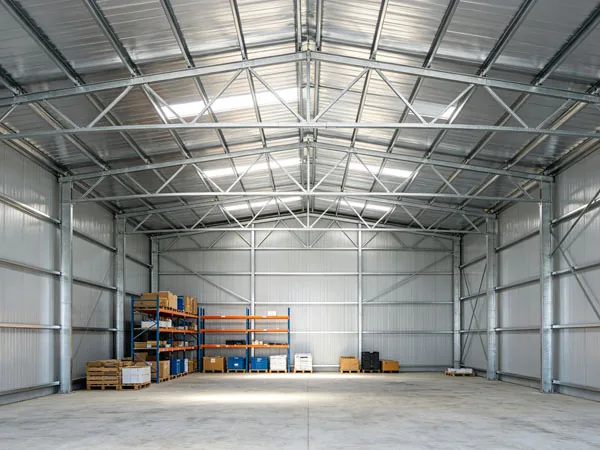
4. Industrial Warehouses & HVAC
GI Recommended: DX51D Z150 or DX52D/SGCD1 delivers high ductility, straightforward welding, and cost efficiency for indoor ventilation and purlins.
4. Coating Weight Selection Recommendations
| Material Type | Recommended Coating Mass | Target Applications & Exposure Level |
|---|---|---|
| GI (Galvanized) | Z80 – Z100 (80–100 g/m²) | Indoor dry ventilation, appliance backings, temporary construction hoarding |
| Z140 – Z180 (140–180 g/m²) | Standard inland warehouses, structural secondary purlins, cable ladders | |
| Z275 (275 g/m²) | Outdoor utility sheds, wet environment structures, heavy industrial framing | |
| GL (Galvalume) | AZ50 / AZ70 (50–70 g/m²) | Substrates for color-coated PPGL coils, light exterior architectural wall panels |
| AZ100 – AZ150 (100–150 g/m²) | Commercial metal roofing, solar racking, coastal architectural facades | |
| AZ180 – AZ200 (180–200 g/m²) | Heavy marine environments, offshore utilities, agricultural confinement housing |
5. 4 Essential Verification Criteria for Steel Sourcing
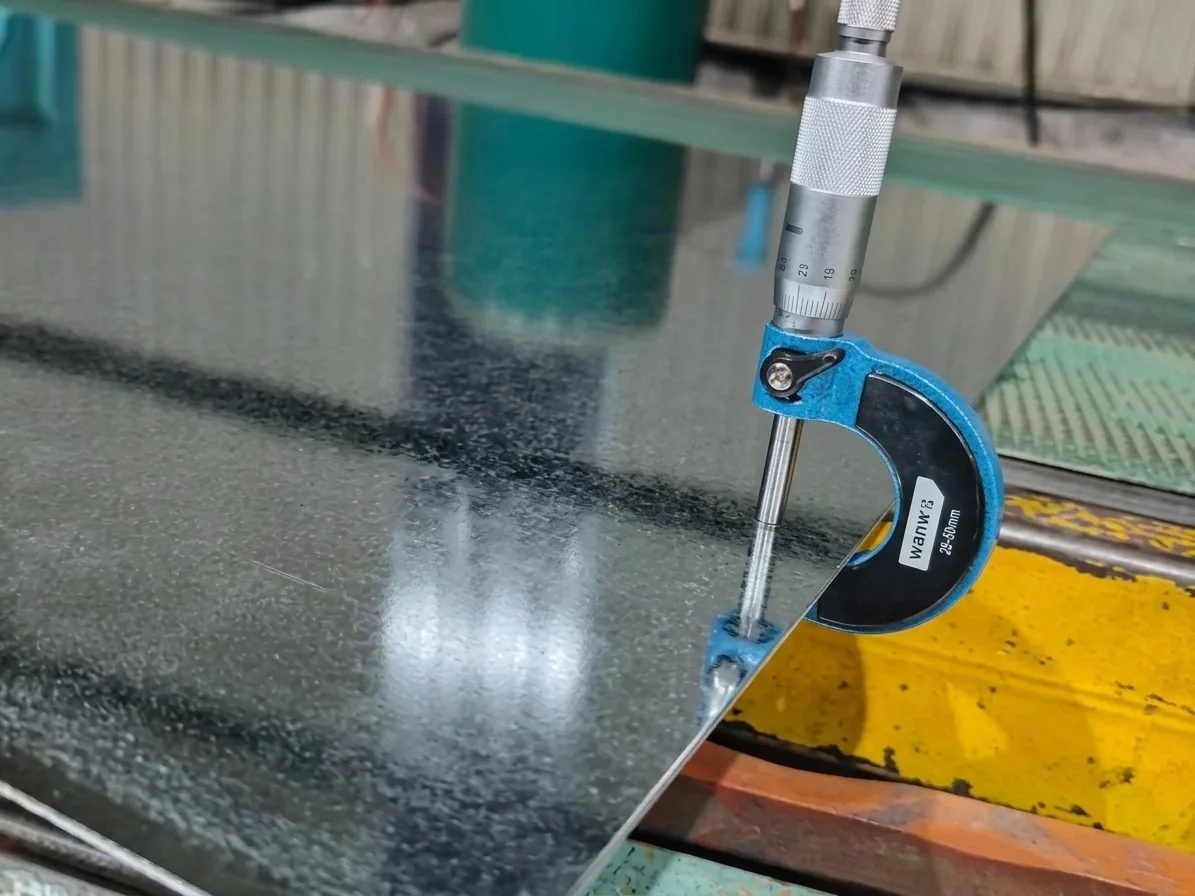
When purchasing GI or GL steel coils from international manufacturers, ensure you audit the following four criteria to avoid quality claims:
Verify Mill Test Certificates (MTC): Confirm verified coating weight (g/m²) and triple-spot test data to prevent underweight plating from being substituted.
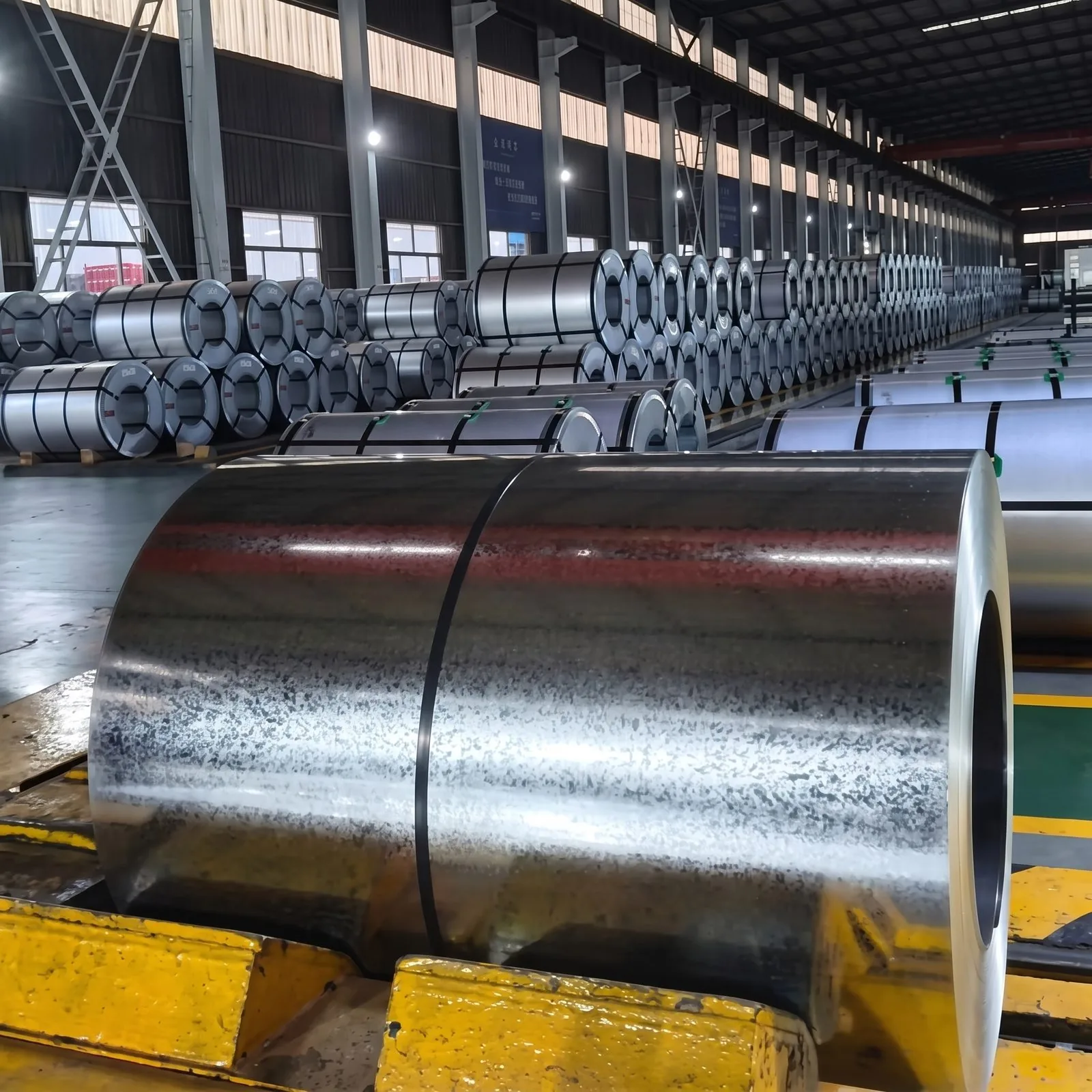
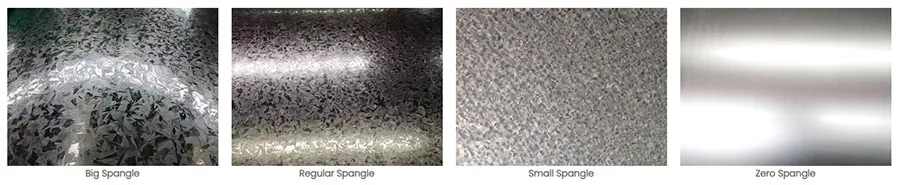
Audit Continuous Line Process Controls: Confirm that the manufacturer operates computerized tension levelers, skin-pass mills, and precision air knives to ensure uniform spangle and zero coating peeling during bending.
Check Maritime Moisture-Proof Export Packaging: Ensure coils are packed with rust-preventative VCI paper, inner and outer galvanized steel protectors, galvanized steel eye and outer rings, and multiple high-tensile radial straps on wooden pallets.
Confirm Third-Party Inspection Compatibility: Partner with suppliers that support on-site sampling and testing by SGS, BV, or Intertek prior to vessel loading.
6. Ironex Manufacturing & Global Supply Advantage
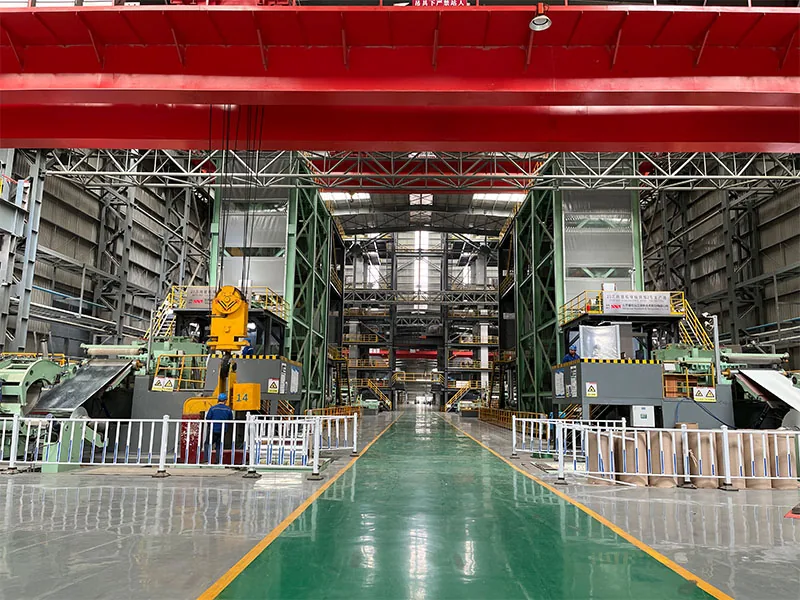
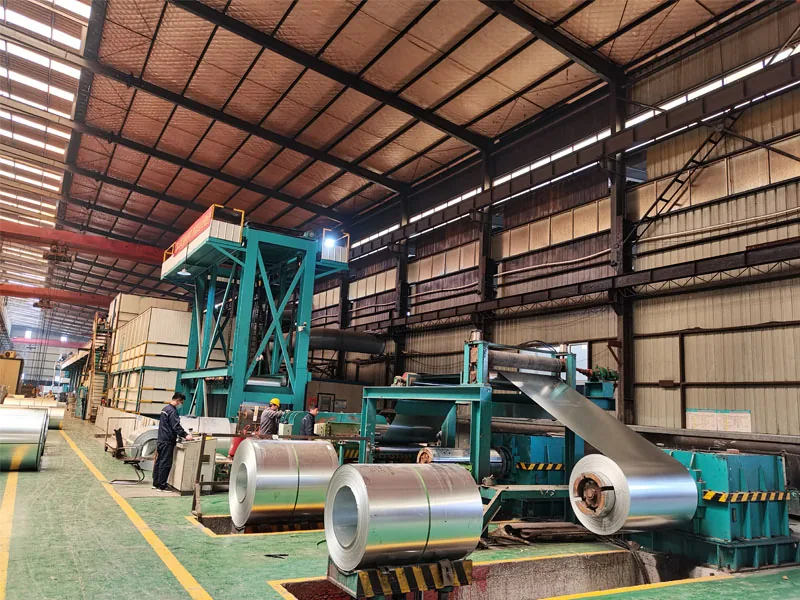
As a leading Chinese manufacturer and global exporter of metal-coated steels, Ironex operates advanced continuous hot-dip galvanizing and 55% Al-Zn galvalume coating lines:
Full Product Portfolio: Supplying AZ150, AZ50 Galvalume steel coils and sheets alongside DX51D Z150 and DX52D/SGCD1 Galvanized coils in thicknesses from 0.12mm to 3.0mm.
Precision Coil Processing: In-house longitudinal slitting, custom sheet leveling, and corrugation profiling to deliver cut-to-length solutions tailored for roofing and manufacturing.
Certified Quality Management: Fully certified according to ISO 9001, ISO 14001, CE, and EN 10204 3.1 standards.
Fast Global Fulfillment: Standard specification coils dispatched within 7 to 15 days with dedicated seaworthy export packaging.
Ironex China Quality Commitment
All steel materials are supplied with authoritative Mill Test Certificates (EN 10204 3.1 / 3.2), full ultrasonic inspection (UT), third-party SGS/BV inspection support, and specialized maritime export packaging.
Featured Steel Materials for This Subject
Need Exact Technical Specs or Fast Pricing?
Contact our metallurgical engineering team for custom thickness, tolerance control, and sea-freight packaging solutions.