PPGI Coil Coating Selection: PE vs. PVDF for Extreme UV Radiation & Desert Climates
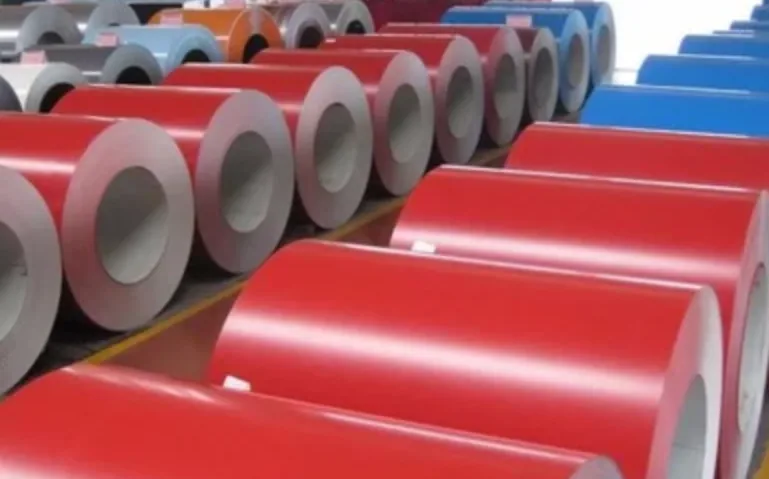
PE vs PVDF Coating: Which PPGI Steel Coils Can Survive the Middle East UV & High Heat?
For metal roofing wholesalers and sandwich panel distributors across Saudi Arabia, the UAE, and Kuwait, choosing the wrong paint system destroys local reputation faster than any price hike. You might secure a rock-bottom PPGI steel coil price per ton China quote, but a cheap product carries hidden, long-term costs. When standard prepainted coils face the brutal climate of the Arabian Peninsula, failure happens within twenty-four months.
Importing steel to this region requires specialized metallurgy. The desert environment actively destroys organic paint coatings through an aggressive combination of extreme thermal expansion and relentless solar radiation. If your inventory features an inadequate paint system, you will eventually face severe claims regarding color coated steel coil degradation. Understanding the technical divide between Polyester (PE) and Polyvinylidene Fluoride (PVDF) determines whether your stock premium holds its value or turns into chalky, peeling scrap metal.
The Harsh Middle East Climate: A Death Sentence for Standard Paint Coatings
The Arabian desert features some of the most destructive atmospheric conditions on earth for industrial coatings. Ambient temperatures regularly breach 50°C, meaning dark-colored metal roofs easily reach surface temperatures of 70°C to 80°C.
High-Intensity UV Radiation and Paint Chalking
Relentless solar radiation delivers massive doses of shortwave UV-A and UV-B photons daily. These high-energy photons act like tiny hammers, systematically cracking the chemical bonds within standard paint resins. Once the resin matrix breaks down, the embedded pigments lose their binding support. This structural failure triggers severe paint chalking on pre-painted steel, transforming your smooth, vibrant glossy finish into a dull, powdery white mess that washes away with the rare seasonal rains.
Sustained High Temperatures and Color Fading
High heat acts as a catalyst, accelerating chemical oxidation. Standard industrial dyes cannot withstand constant, blistering thermal stress without shifting molecular structures. When low-grade topcoats thin out under intense heat, UV rays penetrate directly to the primer layer. This chemical breakdown leads to uneven, unsightly color fading resistant PPGI coils that look decades old after just two summers, prompting immediate contract terminations from local construction contractors.
Deep Technical Comparison: PE vs. PVDF Coating Performance
To make an informed asset investment, you must analyze the underlying polymer chemistry. The fundamental difference lies in how these two materials hold together at a molecular level.
Performance Metric | PVDF (Fluorocarbon) Coating | |
Chemical Bond Type | Carbon-Oxygen (C-O) Ester Bonds | Carbon-Fluorine (C-F) Bonds |
Middle East Lifespan | 3 – 5 Years (Before significant fading) | 20+ Years (Guaranteed color retention) |
UV Resistance (QUV) | Moderate to Poor | Outstanding (Classifies as RUV4) |
Max Surface Temp Tolerance | Around 65°C | Exceeds 120°C |
Chalking Resistance | Low (Becomes brittle under sun) | High (Maintains polymer flexibility) |
PE (Polyester) Coating: Cost-Effective but Climate-Limited
Polyester coatings offer excellent flexibility and a highly competitive upfront purchasing price. Millions of tons ship globally every year from any standard prepainted galvanized steel coil factory. For indoor applications, warehouse ductwork, or temperate climates like Western Europe, PE works perfectly. However, the carbon-oxygen ester links within polyester possess a low dissociation energy. The relentless Middle East sun breaks these bonds with ease, making standard PE a ticking liability for exterior desert roofing.
PVDF (Fluorocarbon) Coating: The Ultimate Shield for Desert Architecture
PVDF represents the gold standard for harsh architectural environments. This compound relies entirely on the Carbon-Fluorine (C-F) bond—one of the strongest, most stable bonds known to modern chemical science. Because fluorine is highly electronegative, it binds tightly to carbon, creating an impenetrable chemical shield. When you deploy PVDF painted steel coils parameters optimized for the Gulf region, the coating easily deflects severe UV rays and shrugs off 80°C surface temperatures. It retains its original gloss, color density, and structural flexibility for over two decades.
Quality Control Checklist: What Middle East Wholesalers Must Audit
Securing a reliable supply chain requires auditing specific manufacturing metrics. Never buy blind; make sure your supplier verifies these three critical quality markers before loading the vessel.
Top Paint Thickness and Primer Matching
For desert environments, paint thickness dictates your product's lifespan. Demand a minimum coating build of 20 microns for the top PVDF layer over a high-quality 5-micron polyurethane primer. If a supplier tries to quote a cheaper 0.4mm PPGI coils wholesale price by thinning the topcoat down to 12 microns, reject the batch immediately. Thin coatings allow pinhole corrosion to form under the desert sand.
The Critical Role of Substrate Micron and T-Bend Testing
Sun protection represents only half the battle; the steel underneath must also perform. The structural integrity of the panel relies heavily on the cold-bending capability of the paint during structural forming. Our technicians perform a rigorous prepainted galvanized steel coil factory T-bend test on every batch, ensuring the paint bends to 2T or lower without developing microscopic fissures. Paired with a heavy zinc substrate (Z275) or Aluzinc barrier (AZ150), this testing prevents edge cracking and halts rust creep before it can ruin the panel edge.
Protecting Your Local Reputation as a Steel Distributor
In the B2B steel trading sector, your brand equity relies entirely on the long-term performance of your delivered materials. Saving fifteen percent on upfront FOB costs by purchasing standard PE coils for an outdoor project in Riyadh or Dubai is a short-sighted strategy. When the coating cracks, chalks, and peels under the desert sun, the resulting structural claims, financial penalties, and lost client trust will dwarf those initial savings.
Investing in a high-grade, region-specific paint system like PVDF or High-Durability Polyester (HDP) insulates your business from quality disputes. It positions your company as a premier, engineering-focused supplier in your local market.
Secure your margins and strengthen your local distribution network. Leverage the stability of a premium Chinese PPGI supplier dedicated to uncompromising paint chemistry.
[Contact Our Commercial Technical Division Today] to receive a comprehensive wholesale quotation, request verified cross-hatch test data, and order your free, physical PVDF/HDP paint sample color booklet.
Ironex China Quality Commitment
All steel materials are supplied with authoritative Mill Test Certificates (EN 10204 3.1 / 3.2), full ultrasonic inspection (UT), third-party SGS/BV inspection support, and specialized maritime export packaging.
Featured Steel Materials for This Subject
Need Exact Technical Specs or Fast Pricing?
Contact our metallurgical engineering team for custom thickness, tolerance control, and sea-freight packaging solutions.