
Navigating Global Steel Supply Chain Disruptions: Strategic Risk-Hedging for Importers
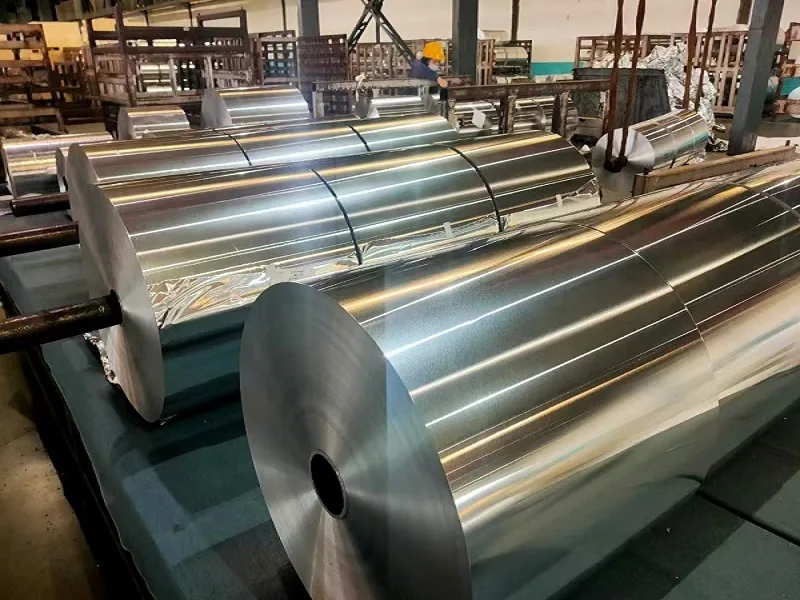
The global steel trade landscape in 2026 requires agile procurement models. With shifting maritime choke points and fluctuating tariffs, procurement directors must adopt resilient sourcing strategies with established mill exporters like Ironex China. The steel industry is going through a difficult period. Whether you are a supplier, importer, mill, or construction buyer, you have likely noticed:
Steel prices keep changing, logistics costs are rising, supply chain risks are growing, and order stability requires more attention.As steel importers, how can we keep our business stable and manage risks effectively?
How Global Trade Changes Affect the Steel Industry
1. Shipping Problems and Higher Costs
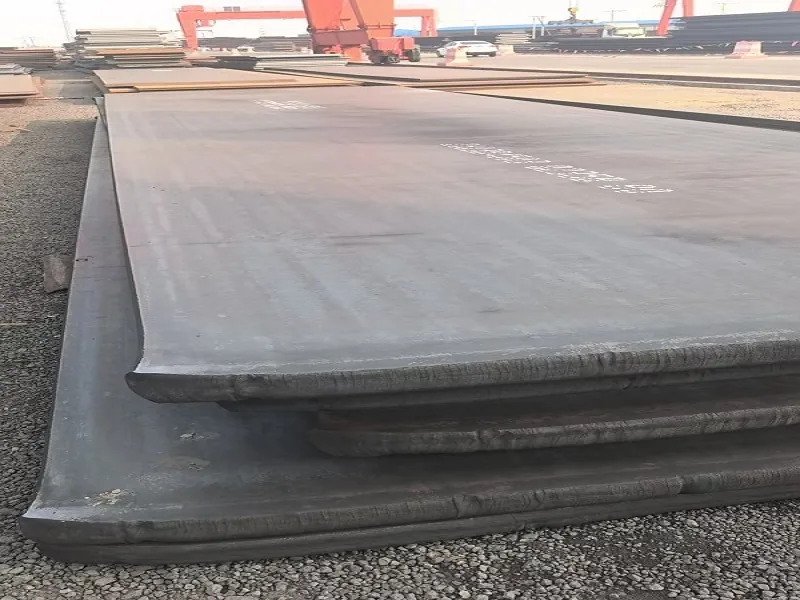
Major international shipping routes are under pressure. Many carriers have changed their routes to maintain safety, which makes delivery times longer.Freight costs have increased, and some shipments require extra insurance. Longer delivery times create uncertainty for projects.This directly affects importers and buyers of carbon steel coils, galvanized coils, color coated coils, carbon steel plates, galvanized sheets, aluminum sheets, and steel profiles.
2. Higher Production Costs
Energy and raw material prices are changing, and supply chains are adjusting. This puts more pressure on steel mills and makes export prices less stable.Importers need to review their budgets carefully, especially for galvanized steel, color coated steel, and aluminum products, where costs have risen noticeably.
3. Changing Demand in Different Regions
Many construction and industrial projects have slowed down. New orders for products like carbon steel coils, roofing sheets, and steel profiles have decreased.Buyers are more careful with large orders, so managing payment and delivery risks has become more important.
4. More Careful Global Steel Trade
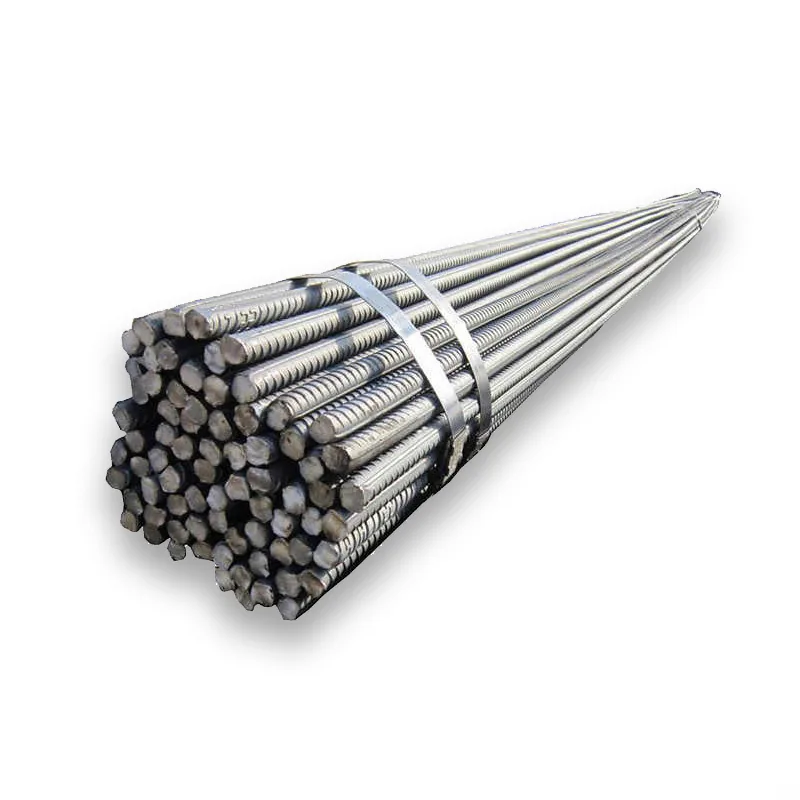
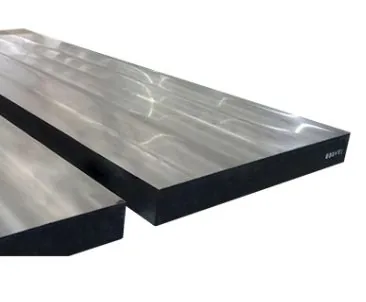
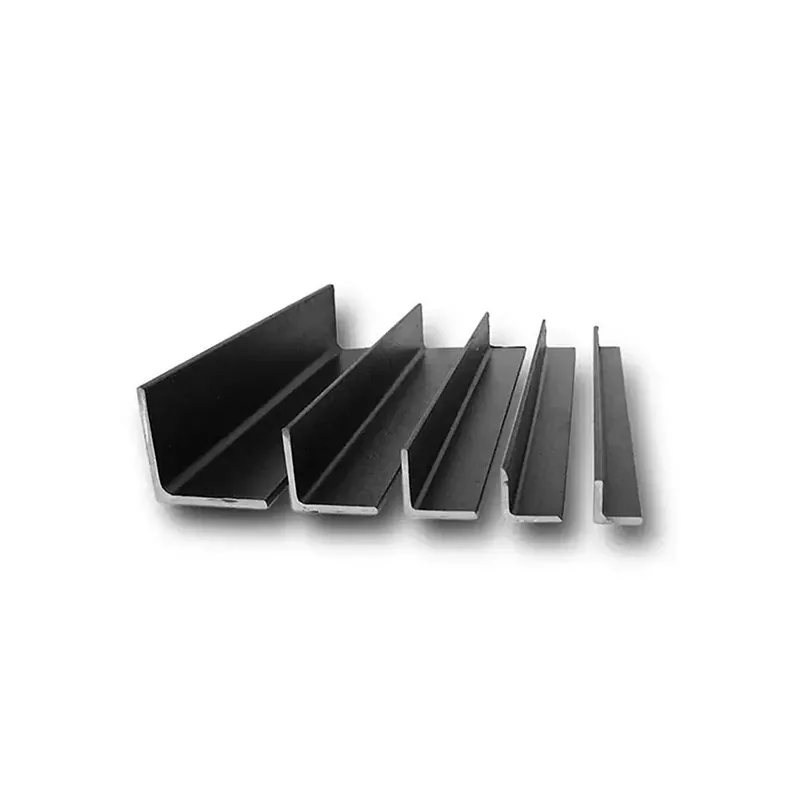
The whole steel industry is being more cautious.Importers are keeping lower inventory levels. Exporters are focusing on stable, reliable markets. Long-term orders are harder to confirm.However, demand for necessary materials like construction steel, industrial steel plates, and steel profiles remains relatively strong.
What Steel Importers and Buyers Can Do?
1. Use Multiple Supply Sources
Do not depend on only one supplier or country. Work with reliable suppliers from different countries, such as China, Russia, and India.Build stable supply channels for carbon steel coils, galvanized coils, color coated coils, carbon steel plates, galvanized sheets, aluminum sheets, and steel profiles to reduce the risk of supply interruptions.
2. Improve Contracts and Payment Terms
Use safe, clear payment terms. Write detailed contracts that cover delivery times, possible delays, and price adjustments.Make sure responsibilities are clear to avoid misunderstandings.
3. Plan Inventory Wisely
Keep a reasonable safety stock for commonly used materials such as galvanized coils, color coated sheets, and structural steel profiles.This helps protect against delays and prevents project shutdowns from material shortages.
4. Get Ready for Future Growth
Market changes are normal. As the global economy recovers, infrastructure and construction projects will start again.Prepare early for higher demand for color coated roofing sheets, galvanized sheets, carbon steel plates, and structural steel profiles.
Key Points for the Global Steel Market
Stability and reliability are the most important for long-term success.
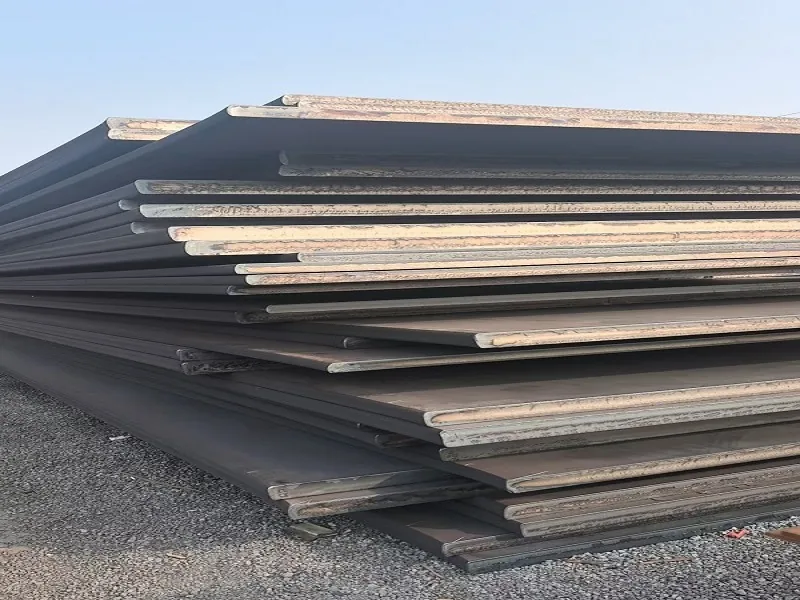
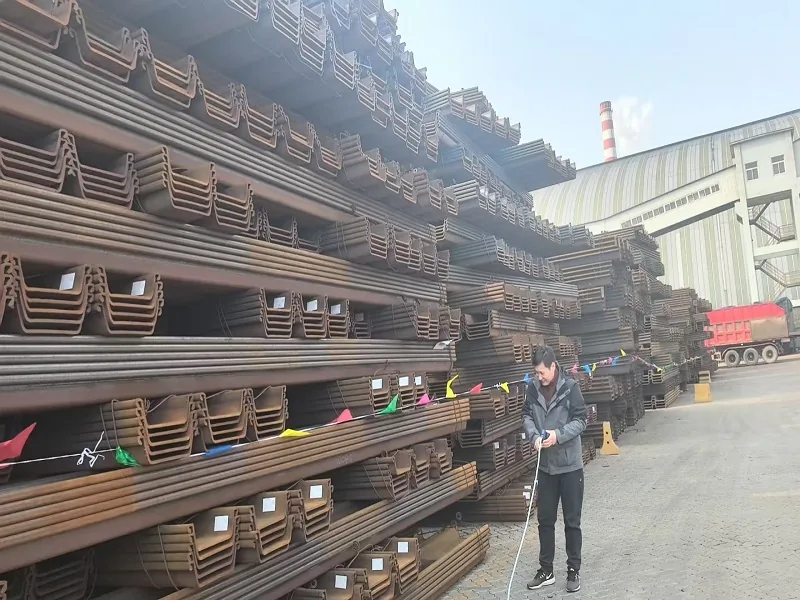
In the medium term, infrastructure and construction projects will support steady demand for carbon steel coils, steel plates, steel profilesand other high-quality steel products. This will be a major opportunity for the industry.
If you are looking for a stable and reliable supplier of carbon steel coils, galvanized coils, color coated coils, carbon steel plates, galvanized sheets, aluminum sheets, or steel profiles, our company is based at Tianjin Port.
Ironex China Quality Commitment
All steel materials are supplied with authoritative Mill Test Certificates (EN 10204 3.1 / 3.2), full ultrasonic inspection (UT), third-party SGS/BV inspection support, and specialized maritime export packaging.
Featured Steel Materials for This Subject
Need Exact Technical Specs or Fast Pricing?
Contact our metallurgical engineering team for custom thickness, tolerance control, and sea-freight packaging solutions.