
Atmospheric Corrosion in Carbon Steel: Rust Mechanisms & Seaworthy Anti-Oxidation Methods
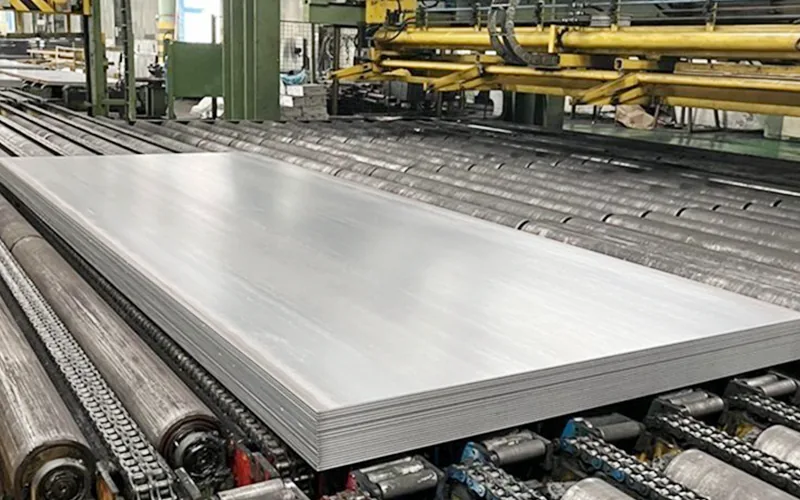
If you work with carbon steel, you’ve probably asked this question yourself. It’s strong, affordable, and widely used — but yes, it can rust. The good news? With the right knowledge, you can easily prevent it. Let’s break down the basics in plain language.
| 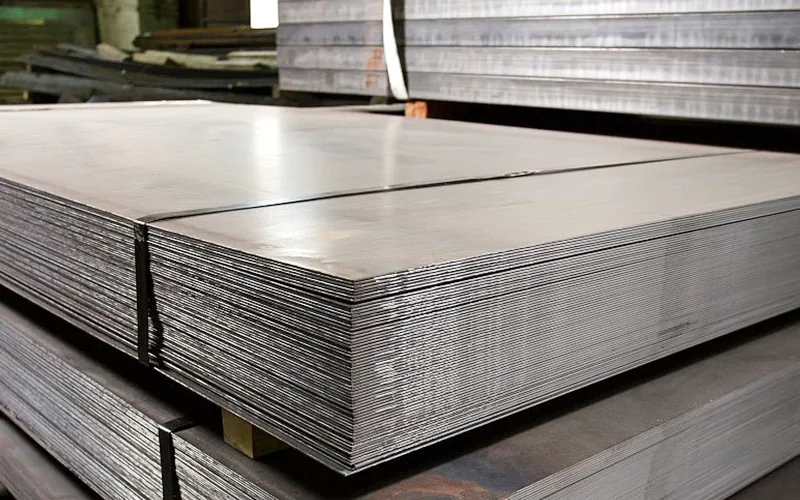 |
Why Does Carbon Steel Rust?
Think of carbon steel like a piece of fresh apple. When you leave it out, it turns brown — that’s oxidation. Similarly, carbon steel contains iron, which reacts with oxygen and moisture in the air, forming rust (iron oxide).
What speeds up rusting?
Humidity: Like how a wet towel takes longer to dry in a humid room, steel rusts faster when moisture is present.
Salt & Chemicals: Coastal areas or industrial zones with salt spray or acid fumes act like “rust accelerators.”
Scratches or Exposure: Bare, untreated steel surfaces rust quickly — much like an untreated cut on your skin can get infected.
Why Should You Care About Rust?
Rust isn’t just a cosmetic issue. It’s a structural threat.
Imagine a steel beam in a warehouse or a pipe in a water system. If rust eats into it, the metal weakens — like wood rotting from the inside. This can lead to:
Reduced load-bearing capacity
Safety Risks
Higher maintenance or replacement costs
How to Prevent Carbon Steel from Rusting
You wouldn’t leave your car out in the rain without paint, right? The same logic applies to carbon steel. Here are practical ways to protect it:
1. Protective Coatings – The “Steel Raincoat”
Galvanizing: Coating steel with zinc — like giving it a protective shell.
Paints & Oils: Anti-rust paint or oil creates a barrier against air and moisture.
2. Surface Treatments – Like “Skincare for Steel”
Phosphating or Bluing creates a thin protective layer that resists corrosion.
3. Change the Environment
Keep steel dry and clean. Store it indoors when possible.
In coastal or industrial areas, use extra protection — maybe even switch to stainless steel for critical parts.
4. Electrochemical Protection
Cathodic protection is like giving your steel a “bodyguard” — it uses electrical currents to slow down rusting. Often used in pipelines and ship hulls.
Weathering steel forms a stable rust layer that stops further corrosion — great for outdoor sculptures or bridges.
Real-World Scenarios: Where Does Rust Happen Most?
Environment Rust Risk Recommended Protection
Coastal Area High (salt + humidity) Hot-dip galvanizing, stainless steel substitution
Industrial Zone High (chemical exposure) Epoxy coating, regular cleaning
Dry Indoor Storage Low Basic paint or oil coating
Outdoor, Temperate Climate Moderate Regular paint, powder coating, or weathering steel
Bottom Line
Yes, carbon steel rusts — but it doesn’t have to. By understanding your environment and choosing the right protection, you can significantly extend its life and performance.
Pro Tip: Don’t just focus on the initial price. Consider long-term maintenance costs. Sometimes, spending a little more on protection now saves you a lot later.
If you’re sourcing carbon steel for a project, think about where and how it will be used — then pick a protection strategy that fits. Want help deciding? Reach out — we guide buyers like you every day.
Ironex China Quality Commitment
All steel materials are supplied with authoritative Mill Test Certificates (EN 10204 3.1 / 3.2), full ultrasonic inspection (UT), third-party SGS/BV inspection support, and specialized maritime export packaging.
Featured Steel Materials for This Subject
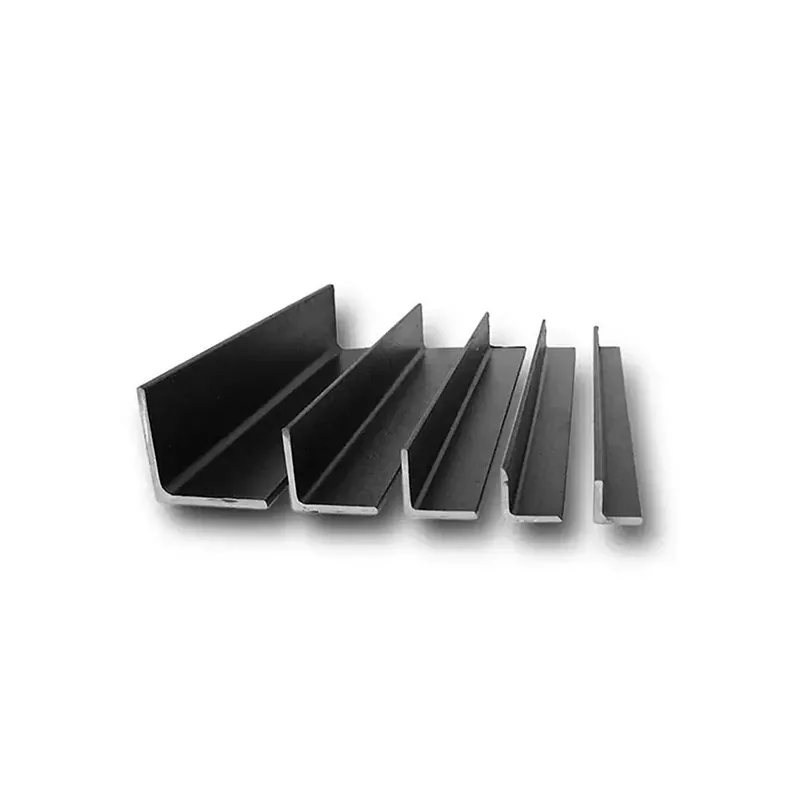
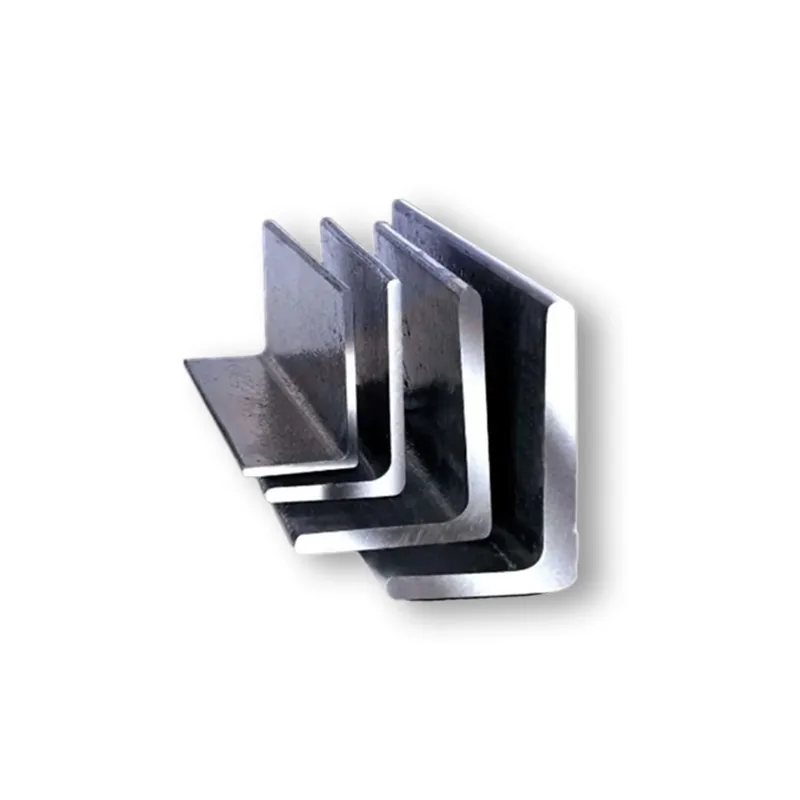
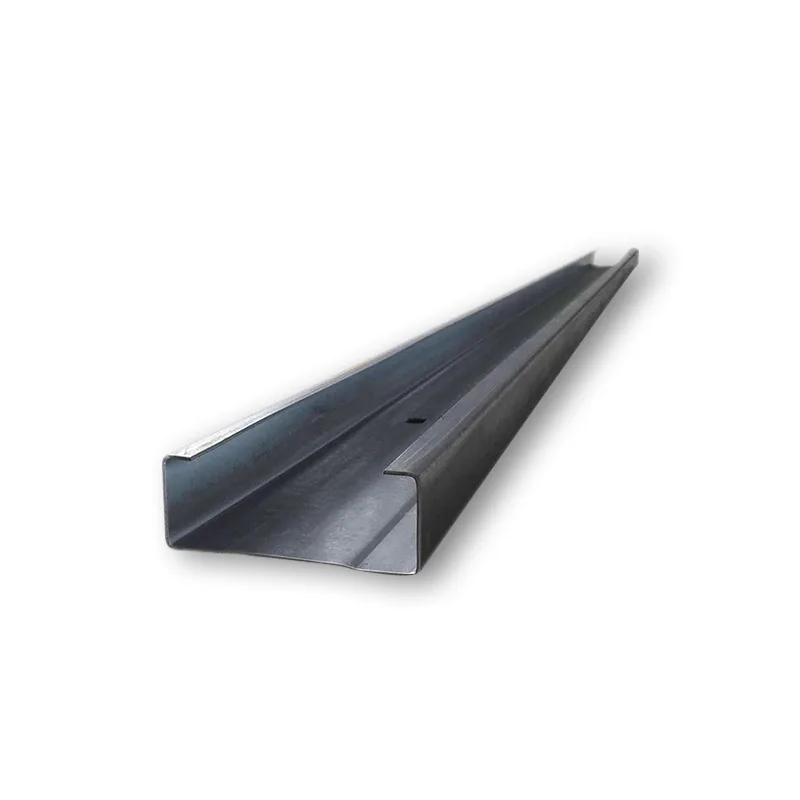
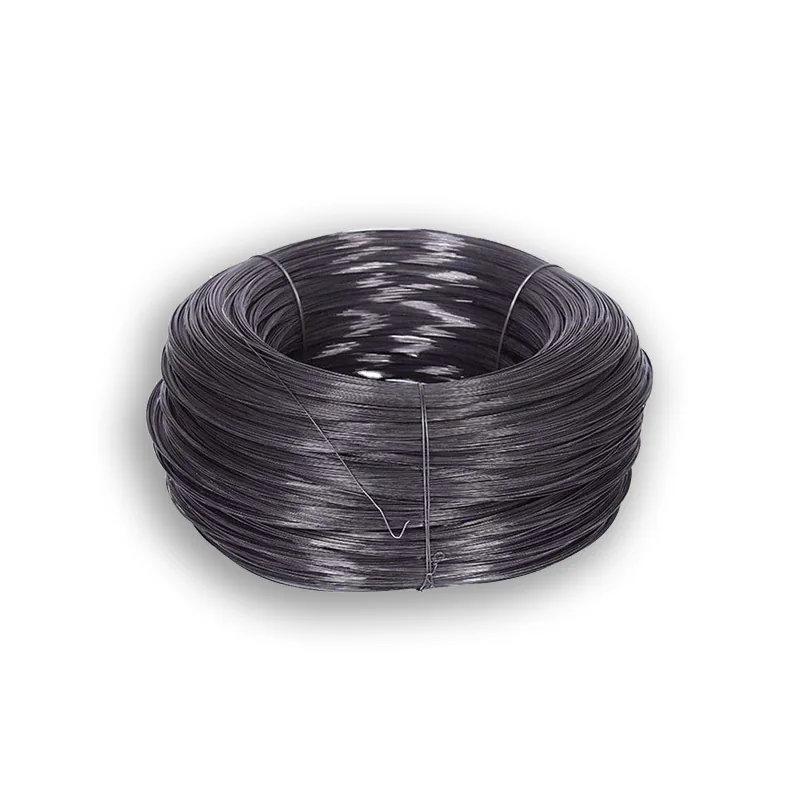
Need Exact Technical Specs or Fast Pricing?
Contact our metallurgical engineering team for custom thickness, tolerance control, and sea-freight packaging solutions.