
Steel Short-Delivery Fraud: How Low-Price Export Scams Work & How Buyers Can Stay Safe
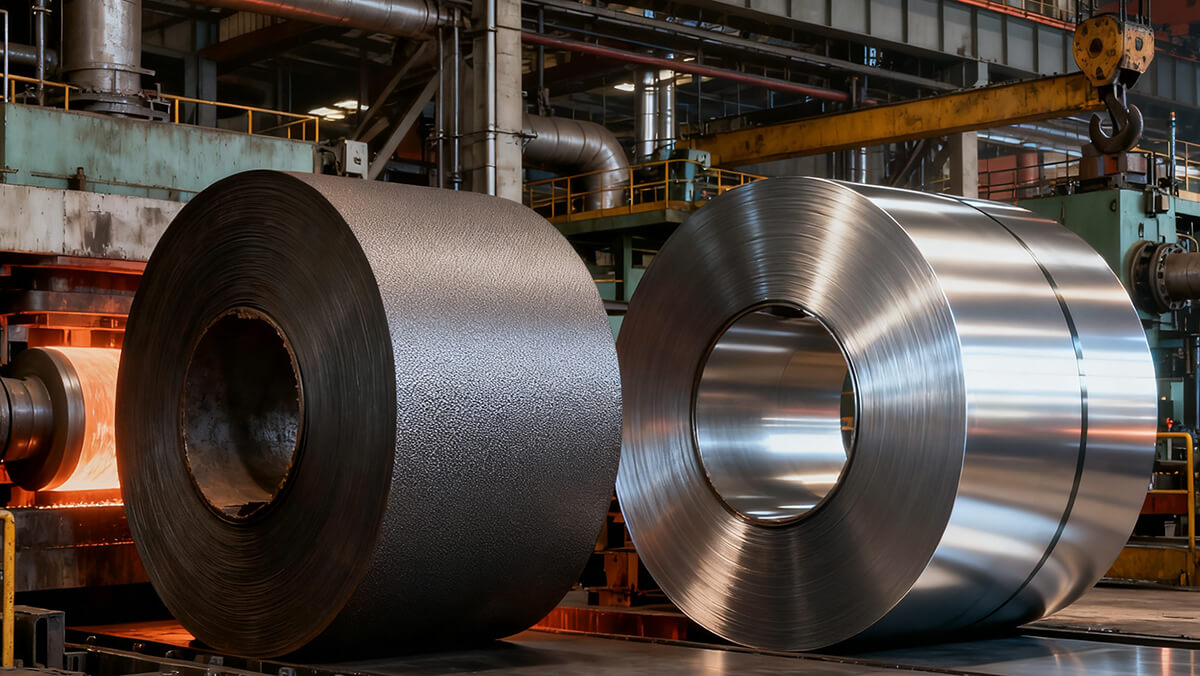
Low Price → High Advance → Short Delivery → Silence: A Fraud Pattern Every Steel Importer Should Recognize
Industry reports and buyer complaints continue to surface around steel trading fraud by certain suppliers—often described as “short-delivery scams”. Typical cases involve offers 20%–30% below market, large deposits, only a fraction of contracted tonnage shipped, and then excuses such as “the salesperson resigned” before communication stops. This guide is for global buyers of coils, pipes, plates, and related metal materials—not an accusation against any single legitimate mill or trader.
Legitimate Chinese steel exporters compete on mill access, quality documentation, logistics, and service. Fraudulent operators compete on one thing only: a price that looks too good to refuse. Once the deposit clears, the commercial relationship flips—from “seller eager to win the order” to “buyer chasing the balance of cargo.”
Recent public discussions among foreign traders—including first-hand warnings circulating on Chinese social platforms about certain “fraud companies”—align closely with cases already documented by trade claim agents and export forums. The common thread is not one viral video; it is a repeatable operating model.
1. How the Short-Delivery Scam Usually Works
Across reported cases involving steel coils and related products, the sequence is remarkably consistent:
Offer sits roughly 20%–30% under prevailing market—sometimes near or below raw-material economics for genuine mill supply.
High deposit or full prepayment is framed as “factory booking,” “priority production,” or “spot cargo reservation.”
Example pattern: contract ~125 MT, ship ~50 MT, then stall on the remainder while still holding most of the money.
“Salesperson left,” “I don’t know,” phone ignored. Profit is the unpaid balance of undelivered tonnage.
In one widely discussed claim pattern, a Brazilian importer purchased about 125 metric tons of steel coils from a certain supplier at a deep discount. Only about 50 tons were delivered. Follow-up claims were met with denials and unanswered calls. Variations of the same script appear across coils, tubes, and other metal materials.
Important Distinction
Not every weight shortage is criminal fraud. Domestic disputes sometimes involve loading errors, weighing disagreements, or logistics mistakes that can still be resolved through negotiation, market supervision, or civil claim. Fraud is indicated when underpricing + prepaid funds + systemic short shipment + deliberate evasion combine into a designed extraction of money.
2. Why the Market Got Messy: Policy Tightening, VAT Reality, and “Win First, Raise Later”
Short-delivery disputes did not appear out of nowhere. A large part of today’s disorder comes from a cost-structure shock in China steel exports—combined with fierce competition that still rewards the lowest headline quote.
2.1 Two Policy Milestones Overseas Buyers Should Understand
China cancelled export VAT rebates on major steel product lists in 2021 (batch adjustments from May / August). For compliant exporters, steel leaving China no longer enjoys the old rebate cushion—so the true tax-inclusive cost of a clean export deal rose.
From 1 January 2026, China applied export-licence controls to a broad set of steel products (around 300 tariff lines). Exporters generally need contract support and manufacturer quality documentation to clear shipments—raising compliance friction and making “informal” channels harder to run.
2.2 Why Certain Suppliers Still Quote Too Low
Before these tighter rules, certain export traders built their competitiveness on unusually aggressive pricing—offers that did not fully reflect a normal, fully taxed export cost stack. In practical market language: their selling price was often detached from what a fully compliant mill-to-port shipment should cost.
After rebate cancellation and tighter licensing, that old gap closed. VAT and compliance costs became much harder to sidestep. In theory, export offers should have moved up toward a more realistic tax-inclusive level.
In practice, many of those suppliers cannot suddenly raise the quote. International buyers compare multiple sellers every day. If one offer jumps overnight while rivals still show “old-market” numbers, the higher (more honest) quote often loses the order immediately.
The Distorted Incentive: Close First, Adjust Later
When a supplier’s real cost has risen, but market bidding still rewards the lowest email price, some operators choose a dangerous path:
- Win the PO with an unrealistically low offer (because a correct VAT-inclusive price would not convert).
- Collect deposit / advance payment while the buyer still believes the bargain is real.
- Reopen the commercial terms afterward—ask for a price increase, delay shipment, cut tonnage, substitute grade, or invent “cost / mill / logistics” excuses.
- If the buyer refuses, the relationship can slide into short delivery, endless stalling, or silence.
This is why the market feels “messy.” It is not only about random bad actors. It is also a structural squeeze:
- Policy raised the floor cost of compliant steel exports (no rebate; licence paperwork from 2026).
- Buyer price hunting kept the ceiling on visible quotes—especially for first-inquiry comparisons on trading platforms.
- Certain suppliers bridged the gap by selling the dream first and trying to repair margin after the deal was locked.
Legitimate mills and exporters usually respond by quoting a deliverable price, explaining VAT/export-licence constraints, and protecting margin through transparent Incoterms and payment terms. High-risk suppliers respond by keeping the fantasy price on the quotation sheet—then transferring the missing margin onto the buyer after money has moved.
Figure 1: After China’s steel export rebate cancellation and 2026 licence controls, a quote that ignores tax/compliance reality is a warning—not a bargain.
3. Red Flags Before You Wire Money
| Signal | What Experienced Buyers Check |
|---|---|
| Price 20%+ below market | Benchmark against independent mill offers and recent CFR/FOB fixtures for the same grade, size, and packing. Deep discounts without mill logic are the #1 bait. |
| Full prepayment demanded | Prefer LC, staged payment, or deposit + balance against B/L / inspection. Full T/T before production/loading concentrates all risk on the buyer. |
| Refusal of inspection / reweigh | SGS/BV/Intertek loading supervision and destination weighing protect both sides. Sellers who block verification are protecting the wrong interest. |
4. Practical Procurement Checklist (Use Before Every Order)
- Price-test with at least two independent sources. If only one “special offer” beats the market by a wide margin, pause.
- Corporate KYC first. Confirm Chinese company name, Unified Social Credit Code, operating address, export qualification, and ownership links—not just the English brand on a website.
- Keep payment matched to delivery risk. For first orders, avoid full prepayment. Use LC at sight, CAD against documents, or staged TT with inspection gates.
- Put quantity, weight basis, and shortage remedies in the contract. State theoretical vs. actual weight rules, tolerance, reweigh procedure, and refund/replacement obligations in clear English and Chinese.
- Require loading photos, packing lists, and MTCs before balance payment. Where value is material, appoint third-party inspection at mill/warehouse and at loading port.
- Weigh at destination with witnesses. Short weight discovered after scrap cutting or resale is much harder to prove.
- Preserve evidence immediately. Contracts, chats, invoices, SWIFT receipts, B/Ls, weighbridge tickets, and inspection reports are the backbone of any claim or police report.
Credible Price + Traceable Mill + Verifiable Weight
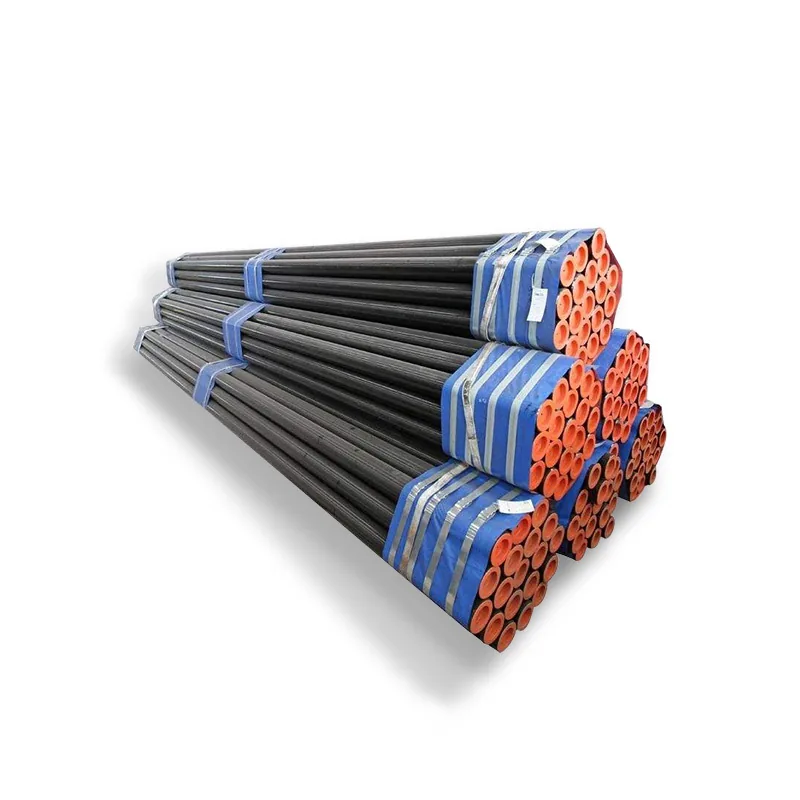
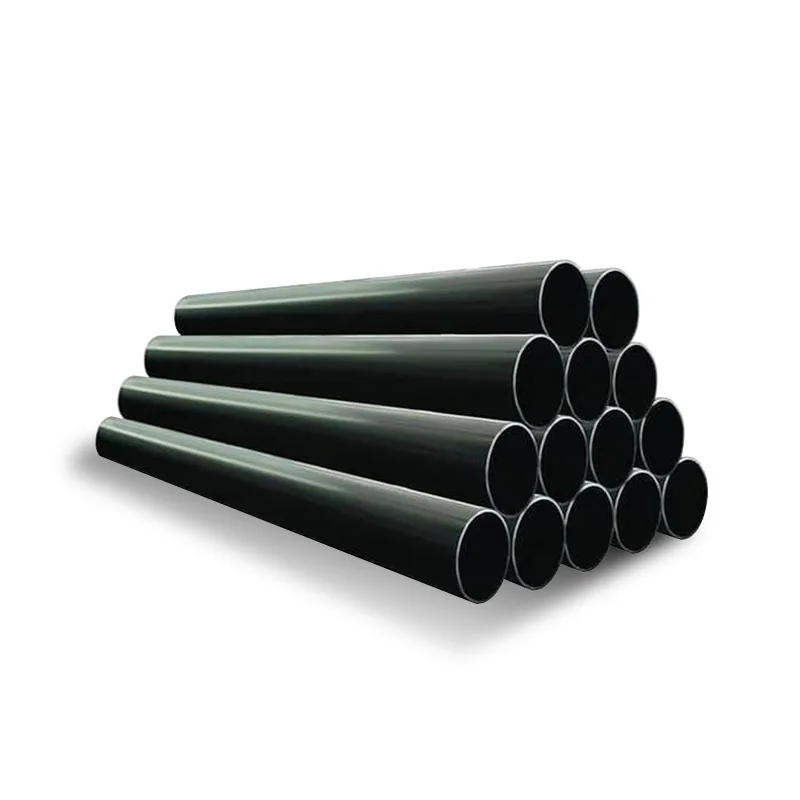
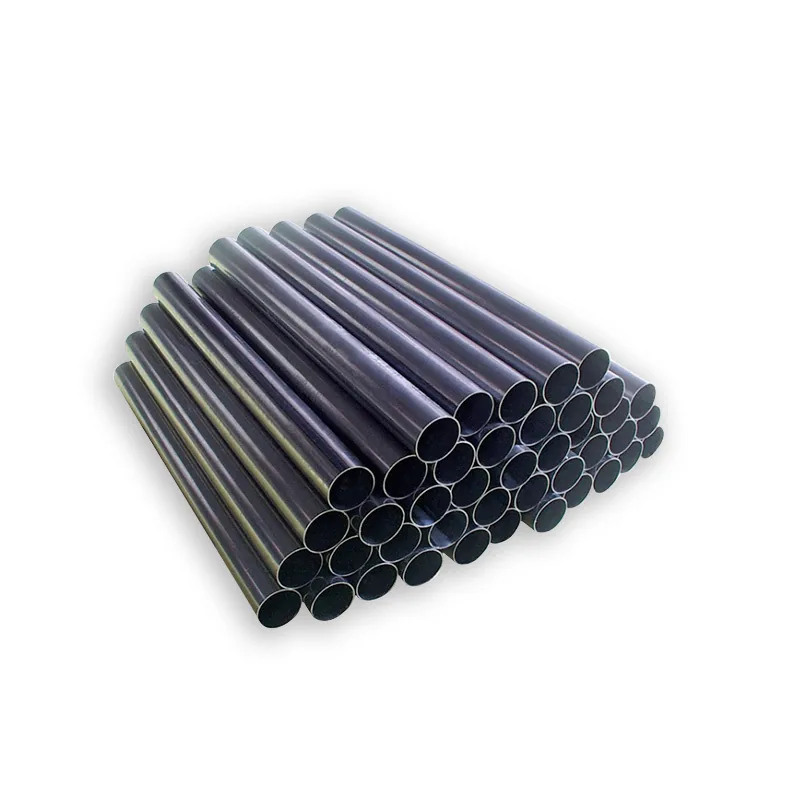
At Ironex China, export orders for API Spec 5L line pipe, ERW pipe, mild steel plate, and related products are structured around mill-traceable supply, EN 10204 documentation, and optional SGS/BV supervision. We would rather lose a bid on fantasy pricing than win an order that cannot be physically delivered.
5. If You Already Paid and Cargo Is Short or Missing
- Stop further payments immediately and put all demands in writing (email + messaging export).
- Secure destination evidence: weighbridge tickets, warehouse receipts, photos with timestamps, and independent surveyor reports.
- Engage local counsel / claim agent familiar with Chinese commercial and criminal thresholds for contract fraud.
- Report to police / market regulators where facts support fraud (not merely a civil shortage dispute), and notify your bank for any recoverable remittance window.
- Do not accept vague “salesperson resigned” answers as closure—request the legal entity’s written settlement plan with deadlines.
6. Bottom Line for Global Steel Buyers
The short-delivery narrative circulating among traders is best read as a procurement risk pattern used by certain suppliers: bait with price, lock funds early, under-deliver, then disappear behind corporate smoke. Most losses are preventable with boring controls—KYC, market-price sanity checks, payment staging, and third-party weighing.
If your project needs coils, plates, pipes, or structural steel from China, choose partners who can explain their price, show their mill path, and welcome inspection. That is still the cheapest insurance in the steel trade.
Need a Transparent Mill Quote—Not a Too-Good-to-Be-True Offer?
Ironex (Xingtai) Imp&Exp Co., Ltd. supplies certified steel materials to 80+ countries with clear contracts, MTC packages, and optional third-party inspection. Tell us your grade, size, quantity, and destination port—we will quote a deliverable package, not a trap price.
Ironex China Quality Commitment
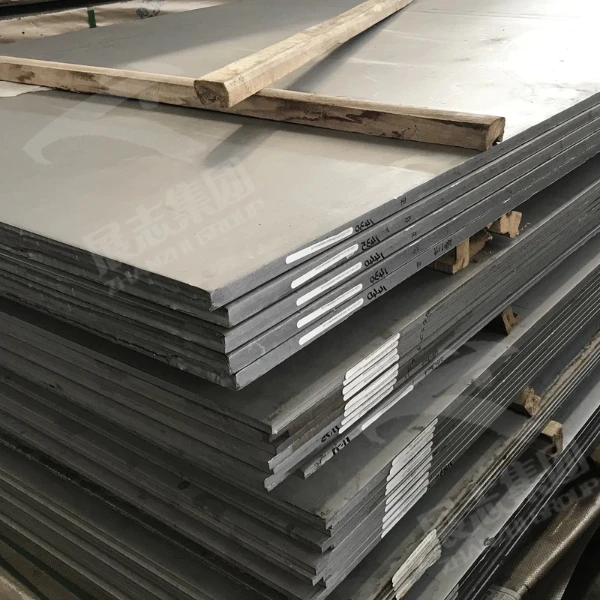
All steel materials are supplied with authoritative Mill Test Certificates (EN 10204 3.1 / 3.2), full ultrasonic inspection (UT), third-party SGS/BV inspection support, and specialized maritime export packaging.
Featured Steel Materials for This Subject
Need Exact Technical Specs or Fast Pricing?
Contact our metallurgical engineering team for custom thickness, tolerance control, and sea-freight packaging solutions.